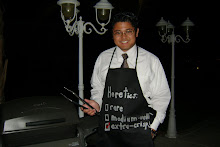
The Council of Starbucks in the Year of Saint Paul
Dear All:
As per the suggestions given to me by my spiritual director, I am to give deeper thought and reflection upon the life and teaching of St. Paul the Apostle, in conformity with Pope Benedict XVI’s dedication of this year to the honor of St. Paul from 28 June 2008 to 29 June 2009. As such, along with minor topics I will cover on our regularly scheduled Council of Starbucks meetings, I will have as an ongoing theme, works pertaining to St. Paul, and most especially the documents produced by Pope Benedict XVI himself, and the insights I may gather through my ongoing study of Robert Sungenis’ new commentary on the book of Romans (more info here). Since this study is primarily for young adults, you are encouraged to form your own study groups among family and friends on this very important topic. This is your chance to live out that old Latin saying “sentire cum ecclesia”, and to think with the Church as she reflects upon this great Apostolic Saint.
Please familiarize yourself with the following resource:
http://www.catholicculture.org/LiturgicalYear/overviews/Feasts/St_Paul/index.cfm
I am building my lesson plan/structure as I type.
Week 1 - Introduction
Proclaimation of the Year of St. Paul
Decree Granting Indulgences for the Year of St. Paul
Week 2
Paul of Tarsus - Benedict XVI
St, Paul and the Spirit - Benedict XVI
Week 3
St. Paul's New Outlook - Benedict XVI
St. Paul and the Church - Benedict XVI
Week 4
Homily at St. Paul Outside the Walls - Benedict XVI
The Life of St. Paul - Sal Ciresi
Week 5
St. Paul Apostle to the Gentiles
God Bless,Laurence Gonzaga
Catechist
Ecclesia Militans Apologetics
Tuesday, August 5, 2008


Sunday, July 27, 2008
You are called to be a saint also - Laurence Gonzaga - Lifeteen - 07/27/2008
You are called to be a saint also - Laurence Gonzaga - Lifeteen - 07/27/2008
Saturday, June 7, 2008
Some upcoming study topics
Some upcoming study topics
Council of Starbucks – Summer Sessions
Laurence Gonzaga
Mondays 7 PM – 8:30 PM
Young Adult, Ages 16-35
27615 BASELINE ST
HIGHLAND
· June 9
o Do we have Free Will?
· June 16
o Does the Catholic Church teach predestination?
· June 23
o Is there salvation outside of the Catholic Church?
· June 30
o Revolution and Counter-Revolution by Plinio Correa De Olveira
Knights of Columbus Bible Study – Summer Sessions
Laurence Gonzaga filling in for Bob Herness, SK
Wednesdays 7 PM – 9 PM
All ages welcome!
1729 E. Base Line St (Cross St. is Del Rosa)
San Bernardino
· July 2
o Atheism Debate
§ Dinesh D’Souza versus Christopher Hitchens
o Some proofs for the existence of God
o “My Testimony: What brought me out of disbelief?”
· July 9
o Our Lady of Guadalupe
o Fr. Thomas Koller
o Joe Burns
· July 16
o The Case for the Creator DVD
§ Lee Stroebel
· July 23
o The Privileged Planet: The Search for Purpose in the Universe
· July 30
o Unlocking the Mystery of Life: The Scientific Case for Intelligent Design
Council of Starbucks – Summer Sessions
Laurence Gonzaga
Mondays 7 PM – 8:30 PM
Young Adult, Ages 16-35
27615 BASELINE ST
HIGHLAND
· June 9
o Do we have Free Will?
· June 16
o Does the Catholic Church teach predestination?
· June 23
o Is there salvation outside of the Catholic Church?
· June 30
o Revolution and Counter-Revolution by Plinio Correa De Olveira
Knights of Columbus Bible Study – Summer Sessions
Laurence Gonzaga filling in for Bob Herness, SK
Wednesdays 7 PM – 9 PM
All ages welcome!
1729 E. Base Line St (Cross St. is Del Rosa)
San Bernardino
· July 2
o Atheism Debate
§ Dinesh D’Souza versus Christopher Hitchens
o Some proofs for the existence of God
o “My Testimony: What brought me out of disbelief?”
· July 9
o Our Lady of Guadalupe
o Fr. Thomas Koller
o Joe Burns
· July 16
o The Case for the Creator DVD
§ Lee Stroebel
· July 23
o The Privileged Planet: The Search for Purpose in the Universe
· July 30
o Unlocking the Mystery of Life: The Scientific Case for Intelligent Design
Saturday, May 31, 2008
Tuesday, May 13, 2008
Vocations Resources
Vocations Resources

Talks
"Myths and Misconceptions Concerning Vocations"
Fr. Thomas Nelson, O. Praem. (Norbertine)
Fr. Nelson is a priest of St. Michael's Abbey in Silverado, CA, a community of Norbertine Canons. Father is the national director of the Institute on Religious Life and has a licentiate in sacred theology from the Pontifical University of St. Thomas Aquinas in Rome.
Download
Free CD
Father Gregory Elder, Ph.D.
Vocations Homiles
Marian Devotion & the Priesthood
MP3 recording (8.2 MB)
Rev. Gregory Dick, O.Praem.
Soul of the Apostolate
MP3 recording (7.8 MB)
Rev. fr. Juan Diego Emerson, O.Praem.
Spiritual Life of the Priest
MP3 recording (6.9 MB)
Rev. Thomas Nelson, O.Praem.
Formation of the Priestly Mind
MP3 recording (7.4 MB)
Rev. Sebastian Walshe, O.Praem.
Consecrated Celibacy & the Priesthood
MP3 recording (7.7 MB)
Very Rev. Hugh Barbour, O.Praem.
The Priest & the Holy Eucharist
MP3 recording (8.5 MB)
Rev. Charbel Grbavac, O.Praem.
Religious Vocation & the Priesthood
MP3 recording (7.4 MB)
Rev. Charles Willingham, O.Praem.
"Reclaiming Our Priestly Character" (MP3)
Recorded on January 14, 2008 at the Arlington Diocese's popular "Theology on Tap" program. This is an audio recording of Rev. David. L. Toups, Associate Director, USCCB, Secretariat of Clergy, Consecrated Life and Vocations.
John Corapi's Amazing Story, by Fr. John Corapi
John Corapi was a football star, in the Army Special Forces, and a millionaire real estate mogul to the stars of Hollywood. Then he became a cocaine addict. Now he is a Catholic priest. His life will inspire you to answer God's call in your own life. An excellent resource for RCIA and inspiring vocations.
Rev. Giacomo Capoverdi, Jr.
Vocation (Part 1) (Part2)
Sr. Dorothy Schwarz
Spiritual Life (Part 1) (Part2)
Vocation (Part 1) (Part2)
Genevieve Kineke
Vocation of Women I (Part 1) (Part 2)
Vocation of Women 2 (Part 1) (Part 2)
Vocation of Women 3 (Part 1) (Part 2)
Vocation of Women 4 (Part 1) (Part 2)
Vocation of Women 5 (Part 1) (Part 2)
Vocation of Women 6 (Part 1) (Part 2)
Friar Giles Mary
Vocation
Fr Bruno Segata - Vocations

Traditional monks of Papa Stronsay
Talks
"Myths and Misconceptions Concerning Vocations"
Fr. Thomas Nelson, O. Praem. (Norbertine)
Fr. Nelson is a priest of St. Michael's Abbey in Silverado, CA, a community of Norbertine Canons. Father is the national director of the Institute on Religious Life and has a licentiate in sacred theology from the Pontifical University of St. Thomas Aquinas in Rome.
Download
Free CD
Father Gregory Elder, Ph.D.
Vocations Homiles
Marian Devotion & the Priesthood
MP3 recording (8.2 MB)
Rev. Gregory Dick, O.Praem.
Soul of the Apostolate
MP3 recording (7.8 MB)
Rev. fr. Juan Diego Emerson, O.Praem.
Spiritual Life of the Priest
MP3 recording (6.9 MB)
Rev. Thomas Nelson, O.Praem.
Formation of the Priestly Mind
MP3 recording (7.4 MB)
Rev. Sebastian Walshe, O.Praem.
Consecrated Celibacy & the Priesthood
MP3 recording (7.7 MB)
Very Rev. Hugh Barbour, O.Praem.
The Priest & the Holy Eucharist
MP3 recording (8.5 MB)
Rev. Charbel Grbavac, O.Praem.
Religious Vocation & the Priesthood
MP3 recording (7.4 MB)
Rev. Charles Willingham, O.Praem.
"Reclaiming Our Priestly Character" (MP3)
Recorded on January 14, 2008 at the Arlington Diocese's popular "Theology on Tap" program. This is an audio recording of Rev. David. L. Toups, Associate Director, USCCB, Secretariat of Clergy, Consecrated Life and Vocations.
John Corapi's Amazing Story, by Fr. John Corapi
John Corapi was a football star, in the Army Special Forces, and a millionaire real estate mogul to the stars of Hollywood. Then he became a cocaine addict. Now he is a Catholic priest. His life will inspire you to answer God's call in your own life. An excellent resource for RCIA and inspiring vocations.
Rev. Giacomo Capoverdi, Jr.
Vocation (Part 1) (Part2)
Sr. Dorothy Schwarz
Spiritual Life (Part 1) (Part2)
Vocation (Part 1) (Part2)
Genevieve Kineke
Vocation of Women I (Part 1) (Part 2)
Vocation of Women 2 (Part 1) (Part 2)
Vocation of Women 3 (Part 1) (Part 2)
Vocation of Women 4 (Part 1) (Part 2)
Vocation of Women 5 (Part 1) (Part 2)
Vocation of Women 6 (Part 1) (Part 2)
Friar Giles Mary
Vocation
Fr Bruno Segata - Vocations
Audio and Video Resources
Debates on the Existence of God (Links from Phil Porvaznik Site)
Craig vs. Frank Zindler 1993 debate on Atheism versus Christianity MP3
Craig vs. Paul Draper 1997 debate on the existence of God MP3
Craig vs. Peter Atkins 1998 debate on the existence of God MP3
Craig vs. Antony Flew 1998 debate on Does God Exist? MP3
Craig vs. Keith Parsons on Why I Am / Am Not a Christian MP3
Craig vs. Victor Stenger 2003 debate on the existence of God MP3
Craig vs. Brian Edwards radio debate on the existence of God MP3
Craig vs. Austin Dacey 2005 debate on the existence of God MP3
Alister McGrath "Is God a Delusion?" 2006 MP3
Daniel Dennett "Darwin's Dangerous Idea" MP3
John Lennox vs. Richard Dawkins "The God Delusion" Debate 2007 MP3 (see http://www.fixed-point.org/)
Alister McGrath vs. Daniel Dennett on God and Religion 2006 MP3
Alister McGrath vs. Peter Atkins on God, Darwin, Humanity 2007 MP3
Alister McGrath vs. Richard Dawkins on Theism / Atheism 2007 MP3
Alister McGrath vs. Richard Dawkins the cut segment from "Root of All Evil?" MP3
Alister McGrath vs. Christopher Hitchens on Religion in Modern World 2007 MP3
Alister McGrath vs. Susan Blackmore on Is God a Delusion? 2007 MP3
Dinesh D'Souza vs. Michael Shermer on God, Religion, Morality 2007 MP3
Dinesh D'Souza vs. Christopher Hitchens "What's So Great About Christianity?" 2007 MP3 (see http://www.dineshdsouza.com/)
Dinesh D'Souza vs. Daniel Dennett "Is God (and Religion) a man-made invention?" 2007 MP3
Resurrection of Jesus (Links from Phil Porvaznik Site)
"Did Jesus Really Rise from the Dead?" DVD produced by Ignatius Press
Craig vs. (Robert) Greg Cavin 1995 "Twin Jesus" debate on the Resurrection MP3
Craig vs. Brian Edwards radio debate on the Resurrection MP3
Craig vs. Hector Avalos 2004 debate on the Resurrection MP3
Craig vs. Gerd Ludemann 1997 debate on the Resurrection MP3
Craig vs. John Shelby Spong 2005 debate on the Resurrection MP3
Craig vs. Bart Ehrman 2006 debate on the Resurrection MP3 (see also debate transcript)
Craig vs. Jamal Badawi debate on Islam versus Christianity MP3
Craig vs. Ray Bradley debate on God and Hell MP3
Craig vs. Walter Sinnott-Armstrong debate on Evil and Suffering MP3
Craig vs. Eddie Tabash 1999 debate on Secular Humanism versus Christianity MP3
Craig on his debates and the "Evidence for Christianity" 2002 MP3
Craig vs. Frank Zindler 1993 debate on Atheism versus Christianity MP3
Craig vs. Paul Draper 1997 debate on the existence of God MP3
Craig vs. Peter Atkins 1998 debate on the existence of God MP3
Craig vs. Antony Flew 1998 debate on Does God Exist? MP3
Craig vs. Keith Parsons on Why I Am / Am Not a Christian MP3
Craig vs. Victor Stenger 2003 debate on the existence of God MP3
Craig vs. Brian Edwards radio debate on the existence of God MP3
Craig vs. Austin Dacey 2005 debate on the existence of God MP3
Alister McGrath "Is God a Delusion?" 2006 MP3
Daniel Dennett "Darwin's Dangerous Idea" MP3
John Lennox vs. Richard Dawkins "The God Delusion" Debate 2007 MP3 (see http://www.fixed-point.org/)
Alister McGrath vs. Daniel Dennett on God and Religion 2006 MP3
Alister McGrath vs. Peter Atkins on God, Darwin, Humanity 2007 MP3
Alister McGrath vs. Richard Dawkins on Theism / Atheism 2007 MP3
Alister McGrath vs. Richard Dawkins the cut segment from "Root of All Evil?" MP3
Alister McGrath vs. Christopher Hitchens on Religion in Modern World 2007 MP3
Alister McGrath vs. Susan Blackmore on Is God a Delusion? 2007 MP3
Dinesh D'Souza vs. Michael Shermer on God, Religion, Morality 2007 MP3
Dinesh D'Souza vs. Christopher Hitchens "What's So Great About Christianity?" 2007 MP3 (see http://www.dineshdsouza.com/)
Dinesh D'Souza vs. Daniel Dennett "Is God (and Religion) a man-made invention?" 2007 MP3
Resurrection of Jesus (Links from Phil Porvaznik Site)
"Did Jesus Really Rise from the Dead?" DVD produced by Ignatius Press
Craig vs. (Robert) Greg Cavin 1995 "Twin Jesus" debate on the Resurrection MP3
Craig vs. Brian Edwards radio debate on the Resurrection MP3
Craig vs. Hector Avalos 2004 debate on the Resurrection MP3
Craig vs. Gerd Ludemann 1997 debate on the Resurrection MP3
Craig vs. John Shelby Spong 2005 debate on the Resurrection MP3
Craig vs. Bart Ehrman 2006 debate on the Resurrection MP3 (see also debate transcript)
Craig vs. Jamal Badawi debate on Islam versus Christianity MP3
Craig vs. Ray Bradley debate on God and Hell MP3
Craig vs. Walter Sinnott-Armstrong debate on Evil and Suffering MP3
Craig vs. Eddie Tabash 1999 debate on Secular Humanism versus Christianity MP3
Craig on his debates and the "Evidence for Christianity" 2002 MP3
Monday, May 12, 2008
Spe Salvi (May 15, 2008)
Council of Starbucks - May 15 and 22, 2008 - Spe Salvi (On Christian Hope)
Starbucks, Highland
7:00-8:30PM
Ages 16-35
Please purchase a drink from Starbucks, so we don't get kicked out.
Video introduction
Directions:
From Redlands:
1.
Starting in REDLANDS, CA on CAJON ST go toward E CITRUS AVE
go < 0.1 mi
< 0.1 mi
2.
Continue on ORANGE ST
go 0.5 mi
0.5 mi
3.
Take ramp onto I-10 W toward LOS ANGELES
go 0.7 mi
1.2 mi
4.
Take the HIGHLAND/RUNNING SPRINGS (CA-330) exit onto CA-30 W
go 4.1 mi
5.3 mi
5.
Take the BASE LINE RD exit
go 0.3 mi
5.6 mi
6.
Turn LEFT on BASE LINE
go 0.1 mi
5.7 mi
7.
Arrive at 27615 BASELINE ST, HIGHLAND, on the LEFT
From San Bernardino:
1.
Starting in SAN BERNARDINO, CA on N E ST go toward W 2ND ST
go 0.2 mi
0.2 mi
2.
Turn RIGHT on W 2ND ST
go 0.4 mi
0.6 mi
3.
Turn RIGHT to take ramp onto I-215 N
go 1.6 mi
2.2 mi
4.
Take RIGHT fork onto CA-30 N toward HIGHLAND/MTN RESORTS
go 1.9 mi
4.1 mi
5.
Merge onto CA-30 E
go 5.6 mi
9.7 mi
6.
Take the BASE LINE RD exit
go 0.2 mi
9.9 mi
7.
Turn RIGHT on BASE LINE
go < 0.1 mi
9.9 mi
8.
Arrive at 27615 BASELINE ST, HIGHLAND, on the LEFT
Starbucks, Highland
7:00-8:30PM
Ages 16-35
Please purchase a drink from Starbucks, so we don't get kicked out.
Video introduction
Directions:
From Redlands:
1.
Starting in REDLANDS, CA on CAJON ST go toward E CITRUS AVE
go < 0.1 mi
< 0.1 mi
2.
Continue on ORANGE ST
go 0.5 mi
0.5 mi
3.
Take ramp onto I-10 W toward LOS ANGELES
go 0.7 mi
1.2 mi
4.
Take the HIGHLAND/RUNNING SPRINGS (CA-330) exit onto CA-30 W
go 4.1 mi
5.3 mi
5.
Take the BASE LINE RD exit
go 0.3 mi
5.6 mi
6.
Turn LEFT on BASE LINE
go 0.1 mi
5.7 mi
7.
Arrive at 27615 BASELINE ST, HIGHLAND, on the LEFT
From San Bernardino:
1.
Starting in SAN BERNARDINO, CA on N E ST go toward W 2ND ST
go 0.2 mi
0.2 mi
2.
Turn RIGHT on W 2ND ST
go 0.4 mi
0.6 mi
3.
Turn RIGHT to take ramp onto I-215 N
go 1.6 mi
2.2 mi
4.
Take RIGHT fork onto CA-30 N toward HIGHLAND/MTN RESORTS
go 1.9 mi
4.1 mi
5.
Merge onto CA-30 E
go 5.6 mi
9.7 mi
6.
Take the BASE LINE RD exit
go 0.2 mi
9.9 mi
7.
Turn RIGHT on BASE LINE
go < 0.1 mi
9.9 mi
8.
Arrive at 27615 BASELINE ST, HIGHLAND, on the LEFT
Monday, April 21, 2008
04/26/08 - Do we have a defense against atheist attacks?
04/26/08 - Do we have a defense against atheist attacks?
10:30 AM - 12 PM at the Dove House, St. Adelaide
I. What are apriori and aposteriori arguments?
· Apriori arguments (ex: ontological)- arguments for God which derive their premises independent of experience; one only need to clearly understand that proposition to see that it is true.
· Aposteriority arguments (ex: cosmological and teleological)- arguments for God which derive their premises only from experience of the world.
II. What is the Cosmological argument (St. Thomas Aquinas, Five Ways)?
Aquinas’ Second Way (Causality argument)
1) There exist things that are caused.
§ You happen upon a sand-castle on the beach, and you presume that it was designed.
2) Nothing can be the cause of itself (ex nihilio nihil fit, out of nothing proceeds).
§ The sand castle cannot bring itself into existence.
3) There cannot be an infinite regress of causes.
§ If you trace the line of causality back, there must be a first cause, which itself was not caused.
4) Therefore, there exists an uncaused first cause.
5) The word God means uncaused first cause.
6) Therefore, God exists
Aquinas’ Third Way (Contingency argument)
1) Every being that exists are either contingent or necessary.
§ Contingent means it depends upon something else to explain its being (humans, animals, etc.). Necessary means that the being requires no other being to explain its existence.
2) Not every being can be contingent.
§ Contingent beings need at least one necessary being.
3) Therefore, there exists a being upon which the contingent beings depend.
4) A necessary being on which all contingent beings exist is what we mean by God.
5) Therefore, God exists.
III. What is the Teleological argument (William Paley)?
1) Complexity implies a designer.
2) The universe is highly complex.
3) Therefore, the universe has a Designer.
4) God is a Being who is able to design a universe.
5) Therefore, God does exist.
IV. What is the Ontological argument (St. Anselm)?
Argument 1
1) God is, by definition, the “greatest” (that which nothing greater is possible).
2) The notion of the “greatest” exists in the mind.
3) The “greatest” may exist in reality.
4) If the “greatest” only existed in the mind, and the “greatest” may have existed in reality, then the “greatest” [in reality] might have been greater than the “greatest” [in the mind].
5) The “greatest” may be greater than it is.
6) Therefore, the “greatest” is something that something greater is possible.
7) This is not possible, reduction ad absurdum (reduction to the absurd).
8) Therefore, the “greatest” (God) exists in both the mind and in reality.
Argument 2
1) God is defined as the “greatest” (aliquid, quo nihil majus cogitari posit, that than which nothing greater can be conceived).
2) It is greater to be a necessary being than not.
3) God must be necessary.
4) God necessarily exists.
V. What is C.S. Lewis' argument (Desire argument)?
1) All human desires correspond to a real thing which can satisfy that desire.
§ Thirst is satisfied by drink; hunger is satisfied by food; fatigue is satisfied by sleep/rest; sexual desire is satisfied by marital relations; etc.
2) There is a desire which nothing in this world can satisfy (desire for God).
3) This desire must be satisfied in another world.
4) Therefore, God must exist.
VI. The Wager (Pascal) – This does a cross between two dimensions: (1) the truth of whether God exists, God exists and God does not exist; and (2) how one chooses to lead one’s life, live as if God does exist and live as if God does not exist. This gives us 4 possibilities:
1) God exists and one does not live as if God exists – Hell (+ infinity)
2) God exists and one does live as if God existed – Heaven (- infinity)
3) God does not exist and one does not live as if God exists – neutral
4) God does not exist and one does live as if God existed – neutral
5) Therefore, wager that God exists.
§ Would you not wager $1 for the 50/50 chance of winning a million?
VII. The fool says in his heart “there is no God” (Psalm 14:1).
VIII. How to understand the atheist better so that we may be able to guide them to the truth
· the atheist as a victim
§ They have bought into the secular and relativistic philosophy.
· the atheist as an apologist
§ If you believed as they believe, wouldn’t you promote it too?
· the atheist as an intellectual
§ They don’t want to hear about mysticism and non-materialistic evidence; rational argumentation is the best bet; this is the high-form of atheism.
· the atheist as a revolutionary
§ There is a popular culture of anti-conformity. It is cool to be a jerk; This is the low-form of atheism.
10:30 AM - 12 PM at the Dove House, St. Adelaide
I. What are apriori and aposteriori arguments?
· Apriori arguments (ex: ontological)- arguments for God which derive their premises independent of experience; one only need to clearly understand that proposition to see that it is true.
· Aposteriority arguments (ex: cosmological and teleological)- arguments for God which derive their premises only from experience of the world.
II. What is the Cosmological argument (St. Thomas Aquinas, Five Ways)?
Aquinas’ Second Way (Causality argument)
1) There exist things that are caused.
§ You happen upon a sand-castle on the beach, and you presume that it was designed.
2) Nothing can be the cause of itself (ex nihilio nihil fit, out of nothing proceeds).
§ The sand castle cannot bring itself into existence.
3) There cannot be an infinite regress of causes.
§ If you trace the line of causality back, there must be a first cause, which itself was not caused.
4) Therefore, there exists an uncaused first cause.
5) The word God means uncaused first cause.
6) Therefore, God exists
Aquinas’ Third Way (Contingency argument)
1) Every being that exists are either contingent or necessary.
§ Contingent means it depends upon something else to explain its being (humans, animals, etc.). Necessary means that the being requires no other being to explain its existence.
2) Not every being can be contingent.
§ Contingent beings need at least one necessary being.
3) Therefore, there exists a being upon which the contingent beings depend.
4) A necessary being on which all contingent beings exist is what we mean by God.
5) Therefore, God exists.
III. What is the Teleological argument (William Paley)?
1) Complexity implies a designer.
2) The universe is highly complex.
3) Therefore, the universe has a Designer.
4) God is a Being who is able to design a universe.
5) Therefore, God does exist.
IV. What is the Ontological argument (St. Anselm)?
Argument 1
1) God is, by definition, the “greatest” (that which nothing greater is possible).
2) The notion of the “greatest” exists in the mind.
3) The “greatest” may exist in reality.
4) If the “greatest” only existed in the mind, and the “greatest” may have existed in reality, then the “greatest” [in reality] might have been greater than the “greatest” [in the mind].
5) The “greatest” may be greater than it is.
6) Therefore, the “greatest” is something that something greater is possible.
7) This is not possible, reduction ad absurdum (reduction to the absurd).
8) Therefore, the “greatest” (God) exists in both the mind and in reality.
Argument 2
1) God is defined as the “greatest” (aliquid, quo nihil majus cogitari posit, that than which nothing greater can be conceived).
2) It is greater to be a necessary being than not.
3) God must be necessary.
4) God necessarily exists.
V. What is C.S. Lewis' argument (Desire argument)?
1) All human desires correspond to a real thing which can satisfy that desire.
§ Thirst is satisfied by drink; hunger is satisfied by food; fatigue is satisfied by sleep/rest; sexual desire is satisfied by marital relations; etc.
2) There is a desire which nothing in this world can satisfy (desire for God).
3) This desire must be satisfied in another world.
4) Therefore, God must exist.
VI. The Wager (Pascal) – This does a cross between two dimensions: (1) the truth of whether God exists, God exists and God does not exist; and (2) how one chooses to lead one’s life, live as if God does exist and live as if God does not exist. This gives us 4 possibilities:
1) God exists and one does not live as if God exists – Hell (+ infinity)
2) God exists and one does live as if God existed – Heaven (- infinity)
3) God does not exist and one does not live as if God exists – neutral
4) God does not exist and one does live as if God existed – neutral
5) Therefore, wager that God exists.
§ Would you not wager $1 for the 50/50 chance of winning a million?
VII. The fool says in his heart “there is no God” (Psalm 14:1).
VIII. How to understand the atheist better so that we may be able to guide them to the truth
· the atheist as a victim
§ They have bought into the secular and relativistic philosophy.
· the atheist as an apologist
§ If you believed as they believe, wouldn’t you promote it too?
· the atheist as an intellectual
§ They don’t want to hear about mysticism and non-materialistic evidence; rational argumentation is the best bet; this is the high-form of atheism.
· the atheist as a revolutionary
§ There is a popular culture of anti-conformity. It is cool to be a jerk; This is the low-form of atheism.
Saturday, December 1, 2007
Week 12 - (12/01/07) - The Perpetual Virginity of Mary ; “The Creator” - CCC # 306-324 (cont.); Heaven and Earth - CCC # 325-354
“What Makes Us Catholic?”
Week 12 12/01/07
www.geocities.com/laurence_gonzaga/study.htm
youngadultsfc.blogspot.com
Ø APOLOGETICS: The Perpetual Virginity of Mary
Ø “The Creator” - CCC # 306-324 (cont.); Heaven and Earth - CCC # 325-354
I. Opening Prayer
a. Our Father
b. Jesus Prayer (Fatima Prayer)
c. Come Holy Spirit
o Come Holy Spirit, and fill the hearts of your faithful, and kindle in them the fire of Your Divine Love. Send forth Your Spirit and they shall be created, and You shall renew the face of the earth. Oh God, Who by the light of the Holy Spirit instructed the hearts of the faithful, Grant, that by the same Spirit we may be truly wise and ever rejoice in His consolation. We ask this through Christ Our Lord. Amen.
d. Hail Mary
II. Sunday Gospel (12/02/07): Mt 24:37-44
III. Review of Week 10: “What language was the Gospel of St. Matthew written in?” ; The thieves crucified with Jesus ; The Creator
IV. Apologetics
a. Study from the book: The Catholic Apologetics Bible: Volume 1: The Gospel According to St. Matthew by Robert Sungenis, Ph.D.
o Matthew 1:23
1. Was Jesus born miraculously from the Virgin Mary?
V. Study of the Catechism of the Catholic Church (CCC): “The Creator” - CCC # 306-324 (cont.); Heaven and Earth - CCC # 325-354
VI. Spiritual Reading: St. Josemaria Escriva (Founder of Opus Dei), taken from The Way #411, p. 137 (Scepter Press)
a. What does it mean to be a hypocrite?
b. What is the difference between the hypocrite and the sinner who begs for God’s mercy?
VII. Closing Prayer
a. Angelus
b. St. Michael Prayer
c. Intercessions
Spiritual Reading: St. Josemaria Escriva (Founder of Opus Dei), taken from The Way #411, p. 137 (Scepter Press)
#411: Many false apostles, in spite of themselves, do good to the masses, to the people, through the very power of the doctrine of Jesus which they preach-even though they don’t practice it.
But this good does not compensate for the enormous and very real harm they do by killing the souls of leaders, of apostles, who turn away in disgust from those who don’t practice what they preach.
That’s why such men and women, if they are not willing to live an upright life, should never push themselves forward as leaders.
Week 12 12/01/07
www.geocities.com/laurence_gonzaga/study.htm
youngadultsfc.blogspot.com
Ø APOLOGETICS: The Perpetual Virginity of Mary
Ø “The Creator” - CCC # 306-324 (cont.); Heaven and Earth - CCC # 325-354
I. Opening Prayer
a. Our Father
b. Jesus Prayer (Fatima Prayer)
c. Come Holy Spirit
o Come Holy Spirit, and fill the hearts of your faithful, and kindle in them the fire of Your Divine Love. Send forth Your Spirit and they shall be created, and You shall renew the face of the earth. Oh God, Who by the light of the Holy Spirit instructed the hearts of the faithful, Grant, that by the same Spirit we may be truly wise and ever rejoice in His consolation. We ask this through Christ Our Lord. Amen.
d. Hail Mary
II. Sunday Gospel (12/02/07): Mt 24:37-44
III. Review of Week 10: “What language was the Gospel of St. Matthew written in?” ; The thieves crucified with Jesus ; The Creator
IV. Apologetics
a. Study from the book: The Catholic Apologetics Bible: Volume 1: The Gospel According to St. Matthew by Robert Sungenis, Ph.D.
o Matthew 1:23
1. Was Jesus born miraculously from the Virgin Mary?
V. Study of the Catechism of the Catholic Church (CCC): “The Creator” - CCC # 306-324 (cont.); Heaven and Earth - CCC # 325-354
VI. Spiritual Reading: St. Josemaria Escriva (Founder of Opus Dei), taken from The Way #411, p. 137 (Scepter Press)
a. What does it mean to be a hypocrite?
b. What is the difference between the hypocrite and the sinner who begs for God’s mercy?
VII. Closing Prayer
a. Angelus
b. St. Michael Prayer
c. Intercessions
Spiritual Reading: St. Josemaria Escriva (Founder of Opus Dei), taken from The Way #411, p. 137 (Scepter Press)
#411: Many false apostles, in spite of themselves, do good to the masses, to the people, through the very power of the doctrine of Jesus which they preach-even though they don’t practice it.
But this good does not compensate for the enormous and very real harm they do by killing the souls of leaders, of apostles, who turn away in disgust from those who don’t practice what they preach.
That’s why such men and women, if they are not willing to live an upright life, should never push themselves forward as leaders.
Week 11 - (11/24/07) - The Inerrancy of Sacred Scripture, Defending the Holy Spirit ; “The Creator” - CCC # 279-324
“What Makes Us Catholic?”
Week 11 11/24/07
www.geocities.com/laurence_gonzaga/study.htm
youngadultsfc.blogspot.com
Ø APOLOGETICS: The Inerrancy of Sacred Scripture, Defending the Holy Spirit
Ø “The Creator” - CCC # 279-324
I. Opening Prayer
a. Thanksgiving to the Father and Son
b. Come Holy Spirit
o Come Holy Spirit, and fill the hearts of your faithful, and kindle in them the fire of Your Divine Love. Send forth Your Spirit and they shall be created, and You shall renew the face of the earth. Oh God, Who by the light of the Holy Spirit instructed the hearts of the faithful, Grant, that by the same Spirit we may be truly wise and ever rejoice in His consolation. We ask this through Christ Our Lord. Amen.
c. Hail Holy Queen
II. Sunday Gospel (11/25/07): Luke 23:35-43
a. Contrast the two criminals, what do you think they represent?
b. Was there ever a time where you were more like the one rather than the other?
III. Review of Week 10: “What is Apologetics?”
IV. Apologetics
a. Study from the book: The Catholic Apologetics Bible: Volume 1: The Gospel According to St. Matthew by Robert Sungenis, Ph.D.
o Matthew 1:1
1. The inspiration of Sacred Scripture
V. Study of the Catechism of the Catholic Church (CCC): The Creator - CCC # 279-324
VI. Video: Brief introduction to the Latin Mass (17 minutes)
VII. Spiritual Reading: On Truth versus Taste, Taken from Six Great Ideas by Mortimer J. Adler (p. 58)
VIII. Closing Prayer
a. Angelus
b. Intercessions
Spiritual Reading: On Truth versus Taste, Taken from Six Great Ideas by Mortimer J. Adler (p. 58)
The sphere of truth, in short, is the sphere of those matters about which we think disagreement is profitable precisely because we think these are matters about which it is possible to resolve differences of opinion and to reach agreement instead. There are matters of a quite different sort concerning which we think the very opposite. These are matters of taste rather than of truth.
We are all acquainted with the commonplace maxim De gus-tibus non disputandum est. About matters Of taste, there is no point in arguing. Disputes are fruitless. Our differences of opinion look irreconcilable. Arguing about such matters will not bring us into agreement. On the contrary, we should wisely live with and gladly tolerate differences of opinion that express divergent tastes.
About matters of truth, the opposite maxim should rule: De veritate disputandum est. About matters of truth, dispute is fruitful. Wherever the truth of our judgments, opinions, or beliefs is a proper concern, we should be prepared to argue with those who disagree with us, with the firm hope that our disagreement can be resolved. Wisdom does not counsel us here to desist from the effort to reach agreement. Disagreement about matters of truth is not, in the final reckoning, to be tolerated.
Week 11 11/24/07
www.geocities.com/laurence_gonzaga/study.htm
youngadultsfc.blogspot.com
Ø APOLOGETICS: The Inerrancy of Sacred Scripture, Defending the Holy Spirit
Ø “The Creator” - CCC # 279-324
I. Opening Prayer
a. Thanksgiving to the Father and Son
b. Come Holy Spirit
o Come Holy Spirit, and fill the hearts of your faithful, and kindle in them the fire of Your Divine Love. Send forth Your Spirit and they shall be created, and You shall renew the face of the earth. Oh God, Who by the light of the Holy Spirit instructed the hearts of the faithful, Grant, that by the same Spirit we may be truly wise and ever rejoice in His consolation. We ask this through Christ Our Lord. Amen.
c. Hail Holy Queen
II. Sunday Gospel (11/25/07): Luke 23:35-43
a. Contrast the two criminals, what do you think they represent?
b. Was there ever a time where you were more like the one rather than the other?
III. Review of Week 10: “What is Apologetics?”
IV. Apologetics
a. Study from the book: The Catholic Apologetics Bible: Volume 1: The Gospel According to St. Matthew by Robert Sungenis, Ph.D.
o Matthew 1:1
1. The inspiration of Sacred Scripture
V. Study of the Catechism of the Catholic Church (CCC): The Creator - CCC # 279-324
VI. Video: Brief introduction to the Latin Mass (17 minutes)
VII. Spiritual Reading: On Truth versus Taste, Taken from Six Great Ideas by Mortimer J. Adler (p. 58)
VIII. Closing Prayer
a. Angelus
b. Intercessions
Spiritual Reading: On Truth versus Taste, Taken from Six Great Ideas by Mortimer J. Adler (p. 58)
The sphere of truth, in short, is the sphere of those matters about which we think disagreement is profitable precisely because we think these are matters about which it is possible to resolve differences of opinion and to reach agreement instead. There are matters of a quite different sort concerning which we think the very opposite. These are matters of taste rather than of truth.
We are all acquainted with the commonplace maxim De gus-tibus non disputandum est. About matters Of taste, there is no point in arguing. Disputes are fruitless. Our differences of opinion look irreconcilable. Arguing about such matters will not bring us into agreement. On the contrary, we should wisely live with and gladly tolerate differences of opinion that express divergent tastes.
About matters of truth, the opposite maxim should rule: De veritate disputandum est. About matters of truth, dispute is fruitful. Wherever the truth of our judgments, opinions, or beliefs is a proper concern, we should be prepared to argue with those who disagree with us, with the firm hope that our disagreement can be resolved. Wisdom does not counsel us here to desist from the effort to reach agreement. Disagreement about matters of truth is not, in the final reckoning, to be tolerated.
Subscribe to:
Posts (Atom)